Our Impact
What happens when people get to do science?
Students test their own ideas. Teachers bring new experiments into their classrooms. Families discover something together.
We make these experiences possible through hands-on neuroscience, equipment, and support for educators. Explore the projects and events that brought our work to life.
Summer Neuroscience Teaching Fellowship
Children’s School of Science · Woods Hole, Massachusetts · July–August 2026
- 14 students
- 4 teacher-fellows
- 14 sessions
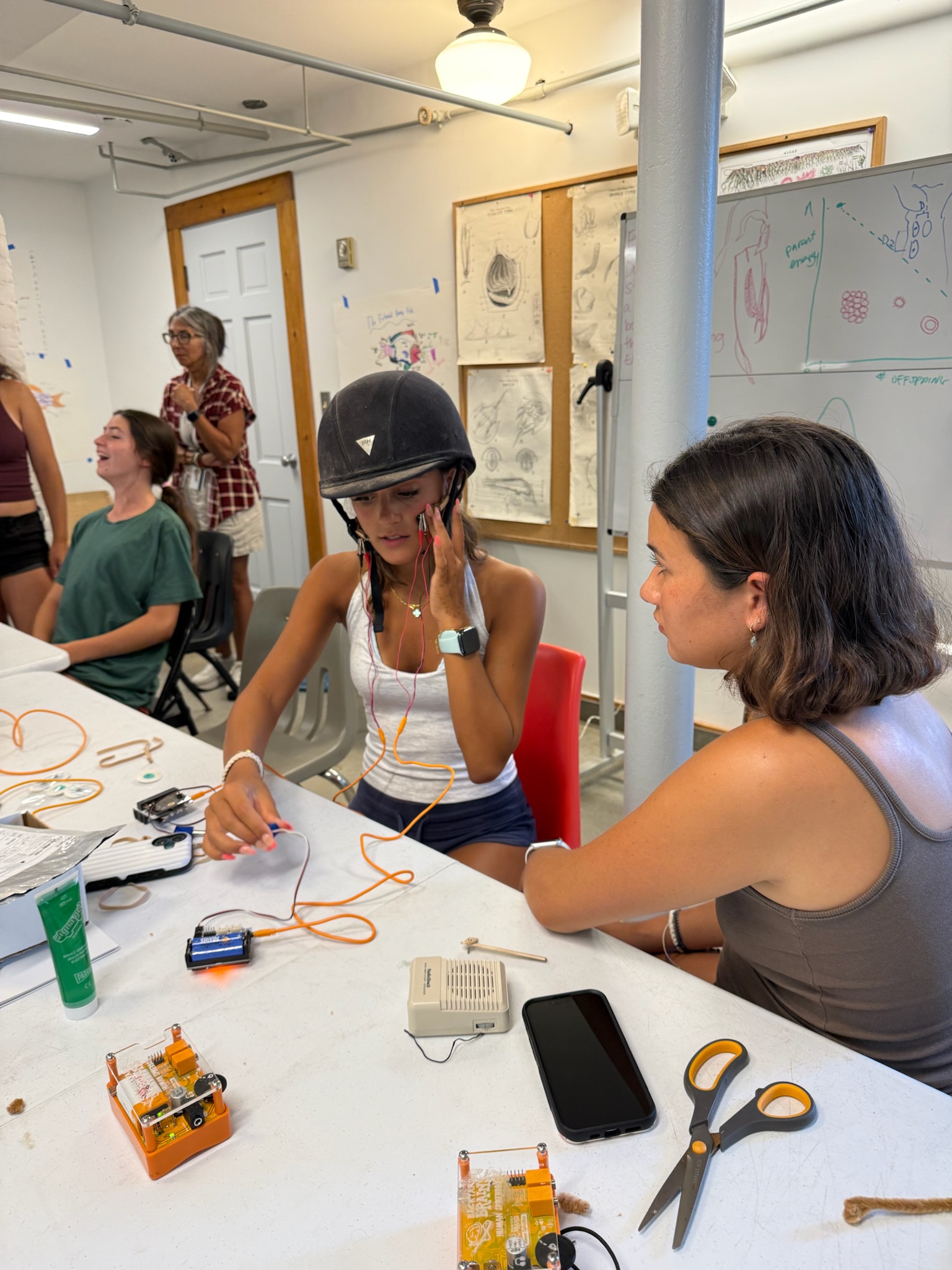
For three weeks, students and teachers learned neuroscience side by side. With guidance from neuroscientists, they recorded biological signals, investigated muscle activity, programmed robots, and developed their own research projects.
The students shared their discoveries at a public poster session on Water Street, drawing more than 100 visitors.
The teachers took the experience back to their schools. Each received classroom equipment and developed plans to use it in their teaching. All four reported greater confidence teaching neuroscience and said they would recommend the fellowship to a colleague.
Supported by the Grass Foundation and hosted by the Children’s School of Science, with contributions from Grass Fellows and Marine Biological Laboratory–affiliated researchers.
Neuroscience for Innovation
Belgrade, Serbia · October 2025–March 2026
- 63 sessions
- 1,264 registrations
- 4.88/5 average participant satisfaction
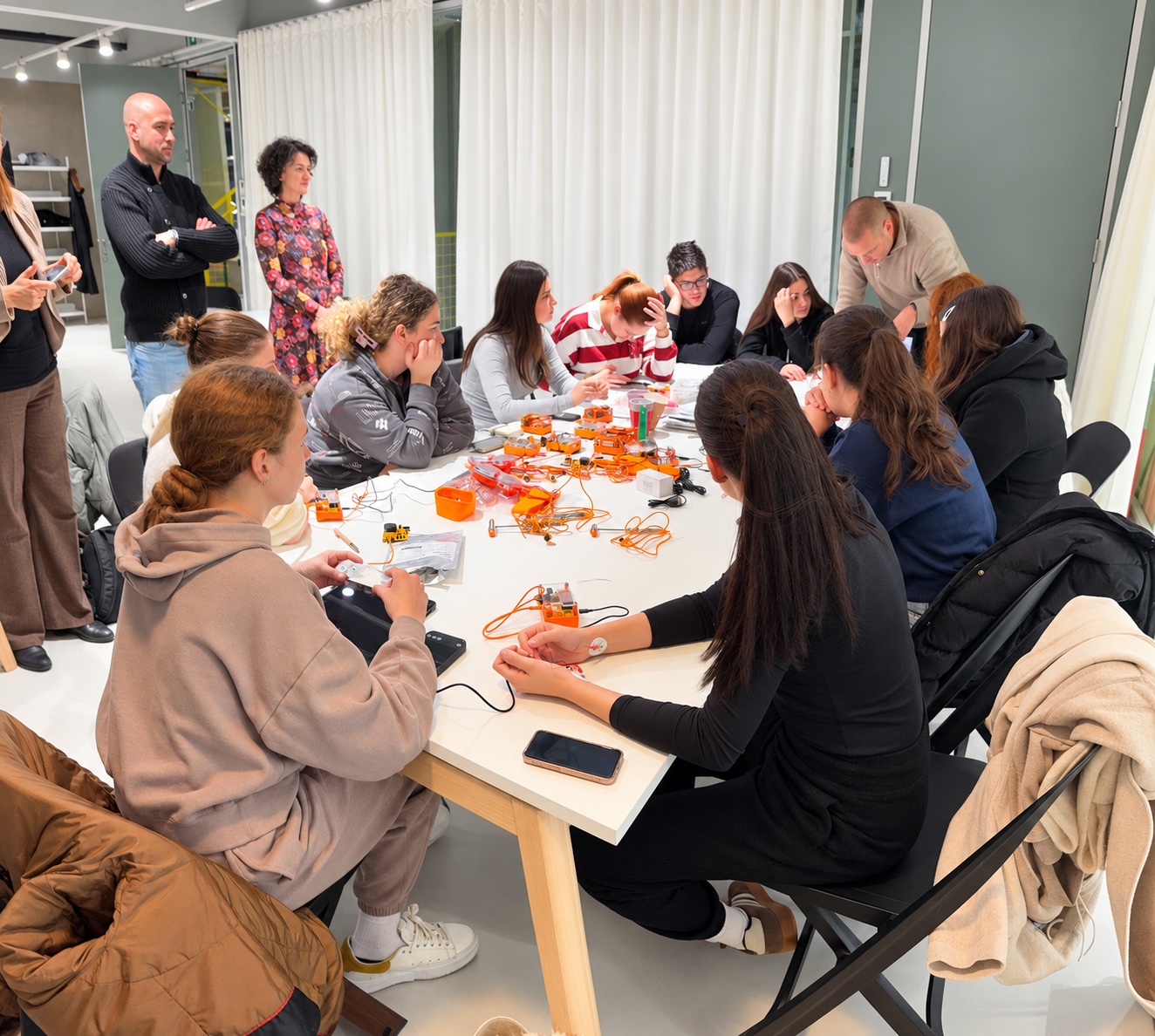
At the American Resource Center in Ložionica, we brought students and community members together to explore neuroscience and its connections to biotechnology, robotics, and artificial intelligence.
Participants worked with scientists, engineers, and educators. In our OpenLab series, they returned over several weeks to develop questions, collect data, and share their findings.
One high school participant took that experience further. He organized neuroscience workshops at his former elementary school, then established a science group where 23 students continued exploring electronics and robotics.
Delivered in partnership with American Councils for International Education and the ARC Ložionica team.
Science Expo at YCMS
Ypsilanti Community Middle School, Michigan · April 17, 2025
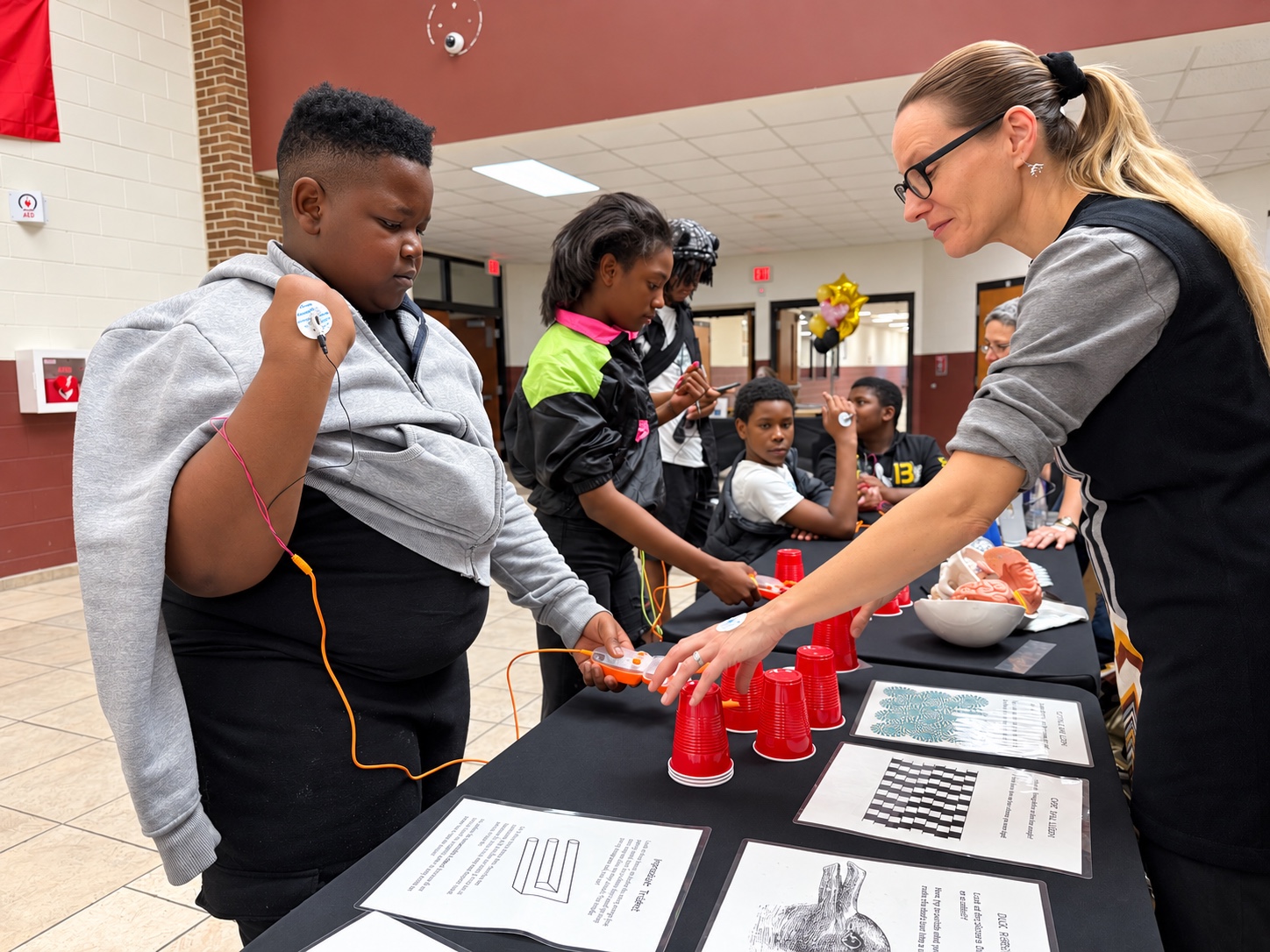
We returned to Ypsilanti Community Middle School for its Science Expo, joining community organizations for an evening open to students, families, and the public.
At our demonstrations, visitors tested their reaction times, controlled a robotic claw with muscle signals, and tried the Human-Human Interface, which uses signals from one person’s muscles to trigger movement in another person’s hand.
The evening gave students and families a chance to enjoy hands-on neuroscience together, extending our connection with the school beyond the classroom.
Family Brain Night
Ann Arbor, Michigan · March 2025
- 400+ attendees
- 23 activity stations
- 45 volunteers
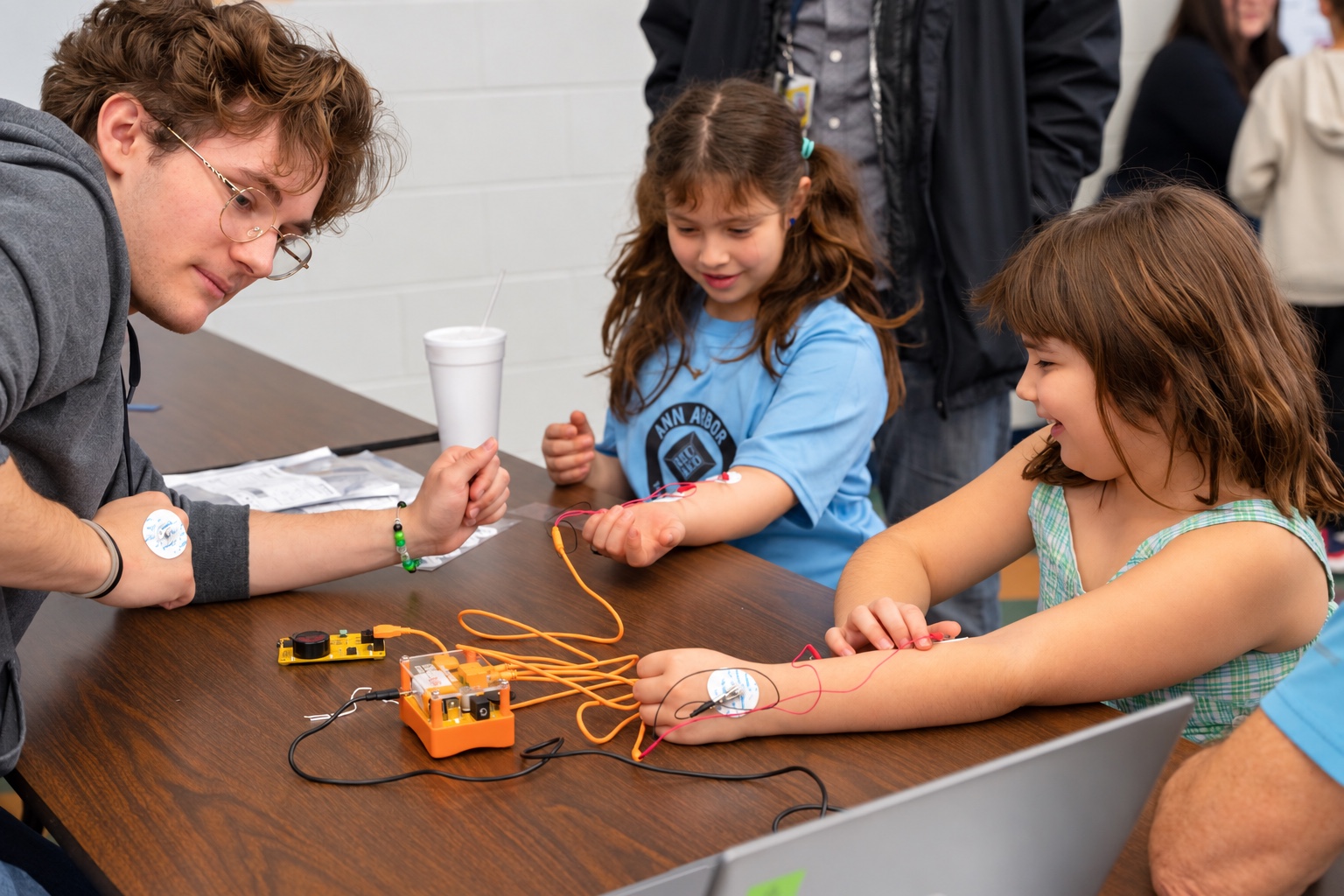
At Bach Elementary School, families came together for an evening of neuroscience. Children and adults recorded their muscle and heart signals, tested their reflexes, explored optical illusions, and built model neurons to take home.
High school and university volunteers guided the experiments, while bilingual communications and on-site translation welcomed English- and Spanish-speaking families.
The conversations continued after the evening ended. Teachers reported students discussing the activities in class the next day, and parents asked for the event to return.
Watch the video from Family Brain Night
Supported by IBRO and the Dana Foundation, with equipment contributed by Backyard Brains and help from Bach Elementary School, its PTO, and community volunteers.
Brain Explorers
Ypsilanti Community Middle School, Michigan · November 2024–February 2025
- 56% reported more interest in science
- 69% reported greater confidence doing science
Percentages reflect student self-reports summarized in the program report.
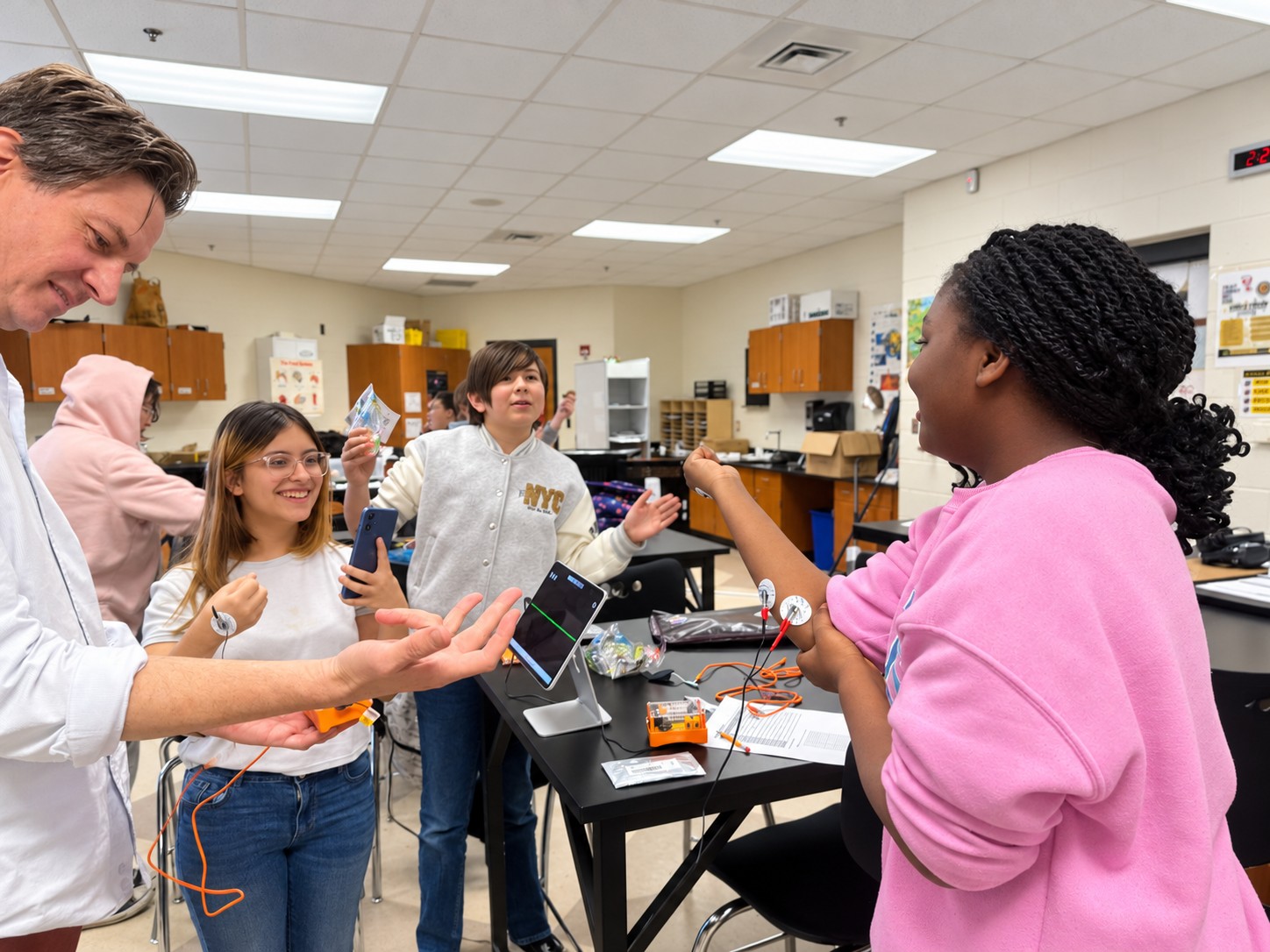
Our work at Ypsilanti Community Middle School began with teachers. We provided training and equipment to help them bring neuroscience experiments into their lessons, leaving the materials at the school for continued use.
Foundation scientists and university volunteers then led workshops for sixth-, seventh-, and eighth-grade students. Through experiments and reaction-time challenges, students explored how their nervous systems work.
After the workshops, 66% of survey respondents said they could explain neuroscience concepts to a peer, and 48% expressed interest in a science-related career.
Supported by the Kiwanis Club of Ann Arbor.
Help make the next discovery possible
Your support brings neuroscience equipment, practical guidance, and opportunities to experiment to more classrooms and communities.